


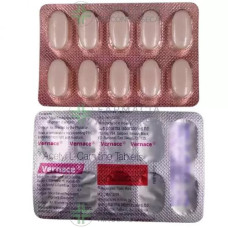
Medications for Enhancing Performance Physique
Performance physique refers to the ability of an individual to perform physical activities efficiently, often related to strength, endurance, and overall athletic capacity. Many people seek to improve their physical performance for sports, fitness goals, or daily activities. Proper management and, when necessary, medication can help optimize performance, especially when underlying issues hinder physical capacity. Early diagnosis and appropriate treatment are crucial for controlling symptoms and enhancing quality of life, as scientific studies show that timely intervention can significantly improve outcomes and prevent progression of related conditions.
What Is Performance Physique?
Performance physique involves the capacity of the musculoskeletal and cardiovascular systems to sustain physical activity. It can be affected by factors such as muscle strength, stamina, and recovery ability. This condition may be acute or chronic, depending on its cause, and is frequently observed in athletes or individuals with sedentary lifestyles who aim to boost their physical capabilities. Recognizing and treating performance-related issues promptly is essential to prevent long-term decline and to support optimal functioning. Scientific research indicates that interventions targeting underlying causes can lead to significant improvements in physical performance and overall health.
Definition and Main Characteristics of Performance Physique
Performance physique is characterized by the ability to perform physical tasks efficiently, which depends on muscular strength, endurance, and cardiovascular health. Causes include overtraining, nutritional deficiencies, hormonal imbalances, or chronic illnesses. It often evolves gradually, with symptoms such as fatigue, decreased stamina, and muscle weakness. The severity varies from mild to debilitating, affecting athletes and non-athletes alike. Risk groups include athletes, older adults, and individuals with metabolic or cardiovascular conditions. Scientific literature emphasizes that addressing multifactorial causes through tailored interventions can restore or enhance performance levels.
Causes and Risk Factors of Performance Physique
The development of performance physique issues can stem from various internal and external factors. These include nutritional deficiencies, hormonal imbalances, genetic predispositions, aging, sedentary lifestyles, stress, infections, and environmental influences. For example, inadequate protein intake can impair muscle repair, while chronic stress may elevate cortisol levels, negatively impacting recovery. Age-related decline in muscle mass and cardiovascular efficiency also plays a significant role. Recognizing these factors helps in implementing preventive measures and personalized treatment plans. Scientific studies highlight that multifactorial causes often interact, making comprehensive assessment essential for effective management.
Factors Contributing to Performance Physique
Internal factors such as genetic predispositions and hormonal imbalances can influence performance capacity, while external factors like poor nutrition, lack of exercise, environmental stressors, and infections also contribute. These causes often combine, leading to a decline in physical ability. For instance, a sedentary lifestyle coupled with nutritional deficits can accelerate muscle atrophy. Understanding that multiple causes interact underscores the importance of holistic approaches in prevention and treatment. Recognizing these factors allows for targeted interventions to improve or maintain performance levels, supported by scientific evidence indicating multifactorial influences.
Symptoms of Performance Physique
Symptoms of performance physique issues typically include persistent fatigue, muscle weakness, decreased stamina, and slower recovery after exertion. Early signs may resemble general tiredness but can progress to noticeable declines in strength and endurance. As the condition advances, individuals might experience joint pain, reduced coordination, or difficulty performing daily activities. Early recognition of these symptoms enables timely intervention, which can prevent further deterioration. Scientific research confirms that addressing symptoms promptly improves the prognosis and helps restore optimal performance levels.
How to Recognize Early Signs of Performance Physique
Initial signs often include unexplained tiredness, muscle soreness, and a decline in exercise capacity. These symptoms are common and can be mistaken for normal fatigue, but persistent or worsening signs warrant medical attention. Noticing decreased strength, increased recovery time, or unusual discomfort during physical activity are key indicators. Differentiating these from other health issues involves assessing the pattern and duration of symptoms. Early detection through self-awareness and medical consultation is vital for effective management, as scientific studies show that early intervention improves outcomes.
Diagnosis and When to See a Doctor
Diagnosing performance physique issues involves a comprehensive medical evaluation, including physical examination, medical history, and specific tests. Physicians may order blood tests, imaging studies, or functional assessments to identify underlying causes such as hormonal imbalances or nutritional deficiencies. It is important not to self-medicate, as improper treatment can worsen the condition. Only a healthcare professional can determine the severity and prescribe appropriate therapy. Early diagnosis enhances treatment efficacy and prevents complications, supported by scientific evidence emphasizing the importance of professional assessment.
Diagnostic Tests and Methods for Performance Physique
Common diagnostic methods include blood panels to assess hormone levels, nutritional status, and markers of inflammation. Functional tests such as VO2 max or muscle strength assessments help quantify physical capacity. Imaging techniques like MRI or ultrasound may be used to evaluate musculoskeletal health. Laboratory and functional evaluations provide valuable data for tailored treatment plans. Scientific literature indicates that combining clinical evaluation with laboratory tests yields the most accurate diagnosis, facilitating targeted interventions.
Signs Requiring Immediate Medical Attention
Urgent medical attention is necessary if symptoms such as chest pain, severe shortness of breath, sudden weakness, or loss of consciousness occur. Signs like intense muscle pain, swelling, or unexplained bleeding should also prompt immediate consultation. These may indicate serious conditions such as cardiac issues, severe infections, or trauma. Delaying care can lead to complications or worsening health status. Recognizing these warning signs and seeking prompt medical help is essential, as scientific evidence underscores the importance of timely intervention to prevent adverse outcomes.
Types of Medications and Treatments
Management of performance physique issues may involve various medications, lifestyle modifications, and supportive therapies. The choice depends on the underlying cause, severity, and patient-specific factors. Over-the-counter options may be suitable for mild cases, but more complex conditions often require prescription medications under medical supervision. Combining pharmacological treatment with physical therapy, nutrition, and rest yields the best results. Scientific studies support a personalized approach, emphasizing that medication should complement other interventions for optimal recovery.
Medications for Treating Performance Physique
- Hormone therapies (e.g., testosterone, growth hormone): aimed at restoring hormonal balance to improve muscle mass and stamina.
- Supplements (e.g., creatine, amino acids): support muscle repair and energy production.
- Anti-inflammatory drugs (e.g., NSAIDs): reduce pain and inflammation after intense activity.
Each medication group has specific objectives, such as enhancing muscle strength, reducing inflammation, or correcting deficiencies. The selection depends on individual needs and medical advice, with scientific evidence supporting their efficacy in appropriate cases.
Natural Remedies for Performance Physique
Complementary natural approaches include proper nutrition, adequate hydration, rest, and stress management. Herbal supplements like ginseng or omega-3 fatty acids may support recovery and reduce inflammation. Regular physical activity and balanced diets rich in proteins and vitamins are fundamental. While these methods can alleviate symptoms and promote overall health, they should not replace prescribed treatments. Scientific research indicates that combining natural remedies with medical therapy can enhance outcomes when used responsibly under medical supervision.
Forms and Presentations: Tablets, Capsules, Gels
Medications for performance enhancement are available in various forms, including tablets, capsules, gels, and injections. Tablets and capsules are convenient, with quick absorption and ease of use. Gels or topical applications may be used for localized relief, such as muscle pain. Injections are typically reserved for specific hormonal therapies or severe cases, administered under medical supervision. Each form offers advantages depending on the treatment goal, with scientific studies supporting tailored delivery methods for optimal absorption and compliance.
Over-the-Counter (OTC) Medications
For mild symptoms, OTC options such as pain relievers (e.g., ibuprofen), nutritional supplements, or topical analgesics can provide relief. These medications are generally safe when used as directed but should not replace professional evaluation if symptoms persist or worsen. It is important to follow dosage instructions carefully and consult a healthcare provider if symptoms continue beyond a few days. Scientific evidence suggests that OTC medications are effective for managing minor issues but require cautious use to avoid adverse effects.
Precautions and Side Effects
Even commonly prescribed medications can cause side effects, especially if misused or taken without proper guidance. Following medical instructions and monitoring for adverse reactions help minimize risks. Certain populations, such as children, pregnant women, the elderly, or those with chronic illnesses, need special caution. Awareness of potential effects ensures safer use, supported by scientific data indicating that proper management reduces complications and enhances treatment success.
Common Side Effects
Minor side effects include nausea, dizziness, or gastrointestinal discomfort. More serious adverse reactions can involve allergic responses, liver or kidney issues, or cardiovascular problems. The risk varies depending on the medication and individual health status. Recognizing early signs of adverse effects allows prompt medical intervention, reducing the likelihood of severe complications. Scientific studies emphasize the importance of patient education and regular monitoring during treatment.
Guidelines for Safe Medication Use
- Follow prescribed dosages and schedules precisely.
- Avoid mixing medications with alcohol or certain foods unless approved by a doctor.
- Store medicines in a cool, dry place away from children.
- Schedule regular check-ups to monitor treatment progress and side effects.
- Report any unusual symptoms or adverse reactions to your healthcare provider promptly.
Responsible medication use and ongoing medical supervision are essential for achieving the best therapeutic results and preventing complications, as supported by scientific guidelines.
Prevention and Daily Care
Preventive measures and daily habits play a vital role in maintaining and improving performance physique. Regular health check-ups, balanced nutrition, consistent exercise, adequate sleep, and stress management help reduce the risk of decline. Early detection of symptoms and prompt intervention can prevent progression. Lifestyle modifications tailored to individual needs, such as avoiding excessive alcohol or smoking, further support long-term health. Scientific evidence underscores that proactive daily care significantly enhances overall performance and well-being.
Recommended Habits to Reduce Performance Physique Risks
Adopting a nutritious diet rich in proteins, vitamins, and minerals; engaging in regular physical activity; ensuring sufficient rest and recovery; managing stress through relaxation techniques; and maintaining good hygiene are key habits. These changes support muscle health, cardiovascular function, and immune resilience. Implementing these practices consistently can prevent or delay performance decline, as scientific studies confirm their effectiveness in promoting sustained physical capacity.
Additional Preventive Measures
Secondary prevention includes routine medical screenings, vaccinations, and nutritional supplementation when necessary. Following medical advice on lifestyle adjustments and medication adherence helps maintain optimal performance. Regular monitoring of health parameters enables early detection of issues, facilitating timely intervention. Scientific research indicates that such comprehensive preventive strategies contribute to better long-term health outcomes and sustained physical performance.
Prognosis and Recovery
The outlook for individuals with performance physique issues depends on the underlying cause, disease stage, and promptness of treatment. With appropriate management, most patients experience favorable outcomes. Adhering to medical recommendations and adopting a healthy lifestyle accelerates recovery. Scientific evidence shows that early intervention and consistent care significantly improve prognosis and reduce the risk of chronic complications.
Typical Recovery Time
The recovery period varies based on severity; mild cases often resolve within a few days to weeks, while more severe or chronic conditions may require several months. For example, minor muscle strains may heal in 1-2 weeks, whereas hormonal therapy or extensive rehabilitation can take 3-6 months. Chronic conditions may need ongoing management with periodic reassessment. Scientific studies highlight that tailored rehabilitation plans and patient compliance are critical for optimal recovery.
Factors Improving Prognosis
- Early diagnosis and treatment initiation
- Adherence to prescribed therapies
- Healthy lifestyle choices, including nutrition and exercise
- Regular follow-up and monitoring
- Patient education and engagement in care
These factors significantly increase the likelihood of full recovery or remission and reduce the chances of relapse, as supported by scientific literature.
Lifestyle Changes for Better Outcomes
Patients should adopt habits such as maintaining a balanced diet, engaging in regular physical activity, managing stress effectively, avoiding harmful substances, and ensuring adequate sleep. These lifestyle modifications support tissue repair, hormonal balance, and overall resilience. Implementing these changes accelerates recovery and helps prevent future episodes, with scientific evidence confirming their importance in long-term health maintenance.
Potential Complications
Untreated or poorly managed performance physique issues can lead to complications such as chronic fatigue, musculoskeletal injuries, cardiovascular problems, or psychological effects like depression. Serious complications include muscle atrophy, joint degeneration, or systemic illnesses. Preventing these outcomes relies on timely medical intervention and patient adherence to treatment plans. Scientific data underscores that proactive management reduces the risk of long-term disabilities and enhances quality of life.
Frequently Asked Questions about Performance Physique and Its Treatment
This section addresses common questions patients have regarding diagnosis, medication options, treatment duration, and safety. The answers are based on current medical evidence and aim to clarify uncertainties, but they do not replace personalized medical advice from healthcare professionals.
What Are the Most Effective Medications Based on Evidence?
Clinical studies have confirmed the efficacy of certain medications such as testosterone supplements, growth hormone, and specific nutritional supplements like creatine and amino acids. These agents work by restoring hormonal balance, supporting muscle synthesis, and enhancing energy production. For example, testosterone therapy can improve muscle mass and strength in deficient individuals, supported by multiple randomized controlled trials. The choice of medication depends on the specific deficiency or condition, with scientific evidence guiding their appropriate use. The effectiveness of these treatments varies based on individual health status and disease severity, emphasizing the importance of medical supervision.
Is It Safe to Use Medications at Home Without a Doctor’s Prescription?
In mild cases, some medications or supplements may be used at home under guidance, such as over-the-counter pain relievers or nutritional supplements. However, it is essential to consult a healthcare professional before starting any treatment, especially if symptoms persist or worsen. Self-medicating without proper diagnosis can lead to adverse effects or mask serious underlying conditions. Scientific research recommends that medication use, even OTC, should be monitored by a healthcare provider to ensure safety and effectiveness. Always follow dosage instructions and seek medical advice for ongoing or severe symptoms.
What Is the Typical Duration of Treatment and Follow-Up?
The length of treatment depends on the underlying cause and severity. Mild issues may resolve within days to weeks, while chronic conditions may require months of therapy and regular monitoring. For example, nutritional deficiencies might need 1-3 months of supplementation, whereas hormonal therapies could extend over several months or years. Follow-up visits are recommended periodically to assess progress and adjust treatment as needed. Scientific evidence indicates that ongoing evaluation ensures optimal outcomes and prevents relapse or complications. Patients should discuss their specific case with their healthcare provider to determine an appropriate treatment timeline.
Where to Purchase Medications for Performance Physique
Medications aimed at improving performance physique are available at pharmacies and through reputable online platforms. It is crucial to verify the licensing and credibility of the pharmacy to ensure the authenticity and safety of the products. Avoid counterfeit medications by purchasing from trusted sources. All medications for performance enhancement are accessible via our licensed online pharmacy in France, ensuring quality and compliance with regulations.
Buy Safely from Our Licensed Online Pharmacy
Shopping at our authorized online pharmacy offers several advantages, including professional advice, guaranteed product authenticity, secure payment options, and reliable delivery. We ensure strict quality controls, including batch tracking and temperature regulation during transit. To ensure a safe purchase, verify the pharmacy’s license, check packaging integrity, confirm expiration dates, and consult our pharmacists if needed. These precautions help protect your health and ensure you receive genuine, effective medications.
Can You Buy Performance Medications Online Without a Prescription?
In France, all medications for performance physique can be purchased online without a prescription through our pharmacy. This facilitates easier access for individuals seeking legal and safe products. However, it remains essential to use these medications responsibly and under medical guidance, especially for potent or hormonal treatments. Proper assessment by a healthcare professional ensures appropriate dosing and minimizes risks. Always ensure the online platform is licensed and adheres to safety standards to avoid counterfeit products.
Shipping Options and Quality Assurance
We offer various shipping methods, including standard, express, and international delivery, to meet your needs. Our quality assurance measures include batch traceability, temperature control, discreet packaging, and real-time tracking. These steps guarantee product integrity and confidentiality. When choosing a shipping option, consider delivery time and cost, and verify that the courier complies with safety protocols. Scientific studies support rigorous quality controls to ensure medication safety and efficacy during transit.
Pricing, Availability, and Promotions in French Pharmacies
The cost of performance physique medications in France varies based on brand, dosage, form, and whether a prescription is required. Generic options often provide cost-effective alternatives. Availability may fluctuate depending on demand, seasonality, and regional supply. Some products are immediately accessible, while others may require special ordering. Pharmacies frequently offer discounts, coupons, and loyalty programs that can reduce expenses. Comparing prices between physical and online pharmacies, and consulting with pharmacists about promotions, can help you obtain the best value. If a specific formulation or dose is needed, inquire in advance about ordering options or alternatives to ensure timely access. Scientific evidence supports that price comparison and awareness of promotions optimize affordability without compromising quality.
| Produits en pharmacie | Prix |
|---|---|
| Acétyl-l-carnitine | 0.00 € |
Questions fréquentes sur Médicaments pour la Performance Physique en 2026
-
Faut-il une ordonnance pour acheter Médicaments pour la Performance Physique en pharmacie ?
-
Quel est le prix de Médicaments pour la Performance Physique ?
-
Puis-je acheter Médicaments pour la Performance Physique dans votre pharmacie en ligne ?
-
Médicaments pour la Performance Physique est-il légal en France ?
-
Quelles sont les conditions de livraison ?
-
Quels moyens de paiement acceptez-vous ?