


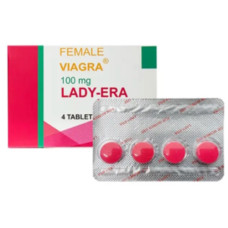
Medications for Excitation
Excitation is a condition characterized by heightened alertness, increased energy, and sometimes feelings of restlessness or agitation. It can affect various systems in the body, especially the nervous system, leading to symptoms such as rapid heartbeat, insomnia, or heightened reflexes. Prompt diagnosis and appropriate treatment are essential to manage symptoms effectively and prevent potential complications. Medical intervention can help restore balance, improve quality of life, and reduce the risk of progression to more severe conditions. Understanding the available medications and their proper use is crucial for safe and effective management of excitation.
What is Excitation?
Excitation refers to a state of increased physiological and psychological activity, often involving the nervous system. It can be acute or chronic, depending on its cause and duration. This condition manifests through symptoms like increased heart rate, heightened alertness, and sometimes anxiety or irritability. It primarily affects the central nervous system, leading to a state of hyperarousal. Rapid diagnosis is vital because prolonged excitation can lead to exhaustion or other health issues, making timely treatment essential for maintaining well-being. Recognizing early signs allows for interventions that can prevent escalation and improve outcomes.
Definition and Main Characteristics of Excitation
Excitation is a state marked by heightened neural activity, often resulting from an imbalance between excitatory and inhibitory signals in the nervous system. Causes include stress, stimulant use, certain medications, or underlying neurological conditions. It can be episodic or persistent, with severity ranging from mild restlessness to severe agitation. Risk groups include individuals with anxiety disorders, substance users, or those experiencing high stress levels. The condition may evolve into fatigue or burnout if left untreated, emphasizing the importance of early management. It is often characterized by symptoms such as increased energy, rapid speech, and difficulty relaxing, which can impair daily functioning.
Causes and Risk Factors of Excitation
Several internal and external factors contribute to excitation. Internal causes include genetic predispositions, hormonal imbalances, or neurological disorders. External factors encompass stress, consumption of stimulants like caffeine or drugs, sleep deprivation, and environmental stressors. Age and lifestyle habits also influence susceptibility, with younger individuals or those with high-stress routines being more vulnerable. Recognizing these factors is crucial for implementing preventive measures and reducing the likelihood of developing persistent excitation. For example, chronic stress and stimulant use often act synergistically, exacerbating symptoms and complicating management.
Factors Causing Excitation
Main contributors to excitation include genetic factors, which may predispose individuals to heightened neural responsiveness, and environmental influences such as high-stress situations or stimulant intake. Lifestyle habits like irregular sleep patterns, excessive caffeine consumption, and substance abuse can intensify symptoms. External triggers like infections or medication side effects also play a role. Often, multiple causes combine, creating a multifactorial scenario that requires comprehensive management. Recognizing these causes helps in tailoring preventive strategies and treatment plans to reduce the impact of excitation on daily life.
Symptoms of Excitation
Symptoms of excitation vary depending on severity and duration but commonly include increased heart rate, rapid speech, restlessness, and difficulty concentrating. Some individuals may experience heightened emotional responses, irritability, or insomnia. As the condition progresses, symptoms can intensify, leading to exhaustion or emotional burnout. Early recognition of these signs allows for prompt intervention, which can prevent escalation. Since symptoms are often similar to other conditions like anxiety or hyperactivity, accurate assessment is essential for appropriate treatment. Managing symptoms early can significantly improve overall functioning and quality of life.
How to Recognize the Early Signs of Excitation
Initial signs often include feeling unusually restless, experiencing rapid thoughts, or having difficulty sitting still. Physical symptoms such as increased heart rate, sweating, or trembling may also appear. These signs can resemble other conditions, so distinguishing excitation involves noting the context and persistence of symptoms. Early detection is important because it enables timely intervention, reducing the risk of symptoms worsening or leading to more serious health issues. Monitoring emotional and physical responses to stressors can help identify excitation early and seek appropriate help.
Diagnosis and When to See a Doctor
Diagnosing excitation involves a thorough medical history, physical examination, and sometimes laboratory tests to rule out underlying causes. Healthcare professionals assess symptom patterns, duration, and possible triggers. It is crucial not to self-medicate, as inappropriate treatment can worsen symptoms or cause adverse effects. Only a qualified medical provider can determine the severity and recommend suitable interventions. Early diagnosis improves treatment efficacy and helps prevent complications. If symptoms are sudden, severe, or accompanied by chest pain, fainting, or confusion, immediate medical attention is necessary.
Tests and Diagnostic Methods for Excitation
Diagnosis typically includes physical examinations, vital sign monitoring, and laboratory tests such as blood work to identify hormonal or metabolic imbalances. Electrocardiograms (ECGs) may be performed to assess heart rhythm, especially if cardiovascular symptoms are present. Psychological assessments can help distinguish excitation from anxiety or mood disorders. Imaging studies are rarely needed but may be used if neurological causes are suspected. These methods collectively help confirm the diagnosis and guide appropriate treatment strategies.
Signs Requiring Immediate Medical Attention
Urgent medical attention is warranted if excitation is accompanied by chest pain, severe headache, sudden weakness, confusion, or loss of consciousness. Symptoms like rapid breathing, high fever, or seizures also require prompt evaluation. These signs may indicate life-threatening conditions such as cardiac events, neurological emergencies, or severe infections. Delaying care in such situations can lead to serious complications or irreversible damage. Recognizing these warning signs ensures timely intervention and better health outcomes.
Types of Medications and Treatments
The treatment of excitation depends on its underlying cause and severity. Mild cases may respond to lifestyle modifications or over-the-counter remedies, while more severe or persistent symptoms often require prescription medications. The choice of treatment should always be supervised by a healthcare professional to ensure safety and effectiveness. Combining pharmacological and non-pharmacological approaches can optimize symptom control and improve quality of life. Early intervention is key to preventing progression and reducing the impact on daily activities.
Medications for the Treatment of Excitation
Several classes of medications are used to manage excitation, including sedatives, anxiolytics, and mood stabilizers. Benzodiazepines, such as diazepam, are commonly prescribed for rapid symptom relief due to their calming effects. Antipsychotics may be used in cases linked to psychiatric conditions, while antidepressants can help if excitation is related to mood disorders. Beta-blockers like propranolol are sometimes employed to control physical symptoms such as rapid heartbeat. The selection depends on individual patient needs, underlying causes, and potential side effects.
Naturally Based Remedies for Excitation
Complementary approaches such as herbal teas (e.g., chamomile, valerian root), relaxation techniques (deep breathing, meditation), and lifestyle adjustments can help alleviate mild symptoms. Regular physical activity and adequate sleep are also beneficial in reducing overall stress levels. Mindfulness practices and aromatherapy with calming essential oils may provide additional relief. However, these remedies should be used alongside medical treatment and under professional guidance to ensure safety and effectiveness.
Forms and Presentations: Tablets, Capsules, Gels
Medications for excitation are available in various forms, including tablets, capsules, liquids, topical gels, and injections. Tablets and capsules are the most common, offering ease of use and precise dosing. Gels and topical applications are useful for localized relief, especially in cases involving skin or muscular symptoms. Injectable forms are reserved for severe cases requiring rapid action or when oral administration is not possible. Each form has specific advantages, such as quick absorption or targeted delivery, tailored to the patient's needs.
Over-the-Counter (OTC) Medications
For mild symptoms, OTC options like antihistamines (e.g., diphenhydramine) or herbal supplements may provide temporary relief. These medications are generally safe when used as directed but should not replace professional medical advice for persistent or severe symptoms. It is important to monitor the response and consult a healthcare provider if symptoms worsen or do not improve within a few days. OTC medications are best suited for short-term management and should be used cautiously, especially in vulnerable populations.
Precautions and Side Effects
Even commonly used medications can cause side effects, particularly if misused or taken inappropriately. Common adverse effects include drowsiness, dry mouth, or gastrointestinal discomfort. Serious reactions such as allergic responses, liver damage, or cardiac issues are less frequent but require immediate medical attention. Patients with pre-existing conditions, pregnant women, children, and the elderly should exercise extra caution. Following prescribed dosages and guidelines minimizes risks and enhances treatment safety.
Most Common Side Effects
Minor side effects include fatigue, dizziness, or nausea, which often resolve with continued use or dose adjustment. Rare but severe effects may involve allergic skin reactions, liver toxicity, or heart rhythm disturbances. Monitoring for adverse reactions and reporting any unusual symptoms to a healthcare provider is essential. Proper management and regular check-ups help prevent complications and ensure safe medication use.
Tips for Safe Medication Use
- Always follow the prescribed dosage and schedule.
- Avoid alcohol and certain foods that may interact with medications.
- Store medicines in a cool, dry place away from children.
- Do not share medications with others.
- Schedule regular medical reviews to monitor treatment effects.
Responsible medication use and ongoing medical supervision are vital for achieving optimal results and avoiding adverse effects. Being vigilant about side effects and adhering to medical advice ensures safe and effective management of excitation.
Prevention and Daily Care
Preventive measures and healthy daily habits play a significant role in managing excitation. Regular medical check-ups, stress management techniques, and a balanced lifestyle can reduce the risk of episodes. Recognizing early symptoms allows for prompt intervention, minimizing the impact on daily life. Tailoring lifestyle choices to individual health needs enhances resilience against triggers. Education about risk factors and proactive health management are essential components of long-term well-being.
Recommended Habits to Reduce the Risk of Excitation
Adopting a balanced diet, engaging in regular physical activity, ensuring adequate sleep, and practicing relaxation techniques can help prevent excitation episodes. Limiting stimulant intake like caffeine and avoiding excessive alcohol consumption are also beneficial. Managing stress through mindfulness or hobbies contributes to emotional stability. Maintaining social connections and seeking support when needed further supports mental health. These habits collectively promote a calmer, more balanced nervous system.
Additional Preventive Measures
Secondary prevention includes routine medical examinations, vaccinations if applicable, and adherence to prescribed treatments. Monitoring for early signs of excitation enables timely adjustments to lifestyle or medication. In some cases, vitamin supplementation or prophylactic medications may be recommended by healthcare providers. Following medical advice and maintaining a healthy lifestyle can significantly decrease the likelihood of recurrent episodes and improve overall quality of life.
Prognosis and Recovery
The outlook for individuals with excitation depends on the underlying cause, the timeliness of treatment, and overall health. With appropriate management, most patients experience significant symptom reduction and improved functioning. Early intervention and adherence to treatment plans are key to achieving favorable outcomes. Long-term prognosis improves with lifestyle modifications and ongoing medical support. Regular follow-up ensures that any recurrence or complications are promptly addressed, facilitating sustained recovery.
Typical Recovery Time
The recovery period varies based on severity; mild cases often resolve within a few days with proper care, while more severe or chronic cases may require weeks or months of treatment. For example, acute episodes might improve within 48-72 hours, whereas persistent excitation linked to underlying conditions may need ongoing management. In chronic situations, gradual improvement is common, but continuous monitoring is necessary to prevent relapses. The duration of recovery is influenced by individual health factors and response to therapy.
Factors Enhancing Prognosis
- Early diagnosis and prompt treatment initiation.
- Adherence to prescribed medication and lifestyle recommendations.
- Regular medical follow-up and monitoring.
- Effective stress management and healthy habits.
- Addressing underlying causes or comorbidities.
These factors significantly increase the chances of complete recovery or remission, reducing the risk of long-term complications.
Lifestyle Changes for Better Outcomes
The recovery process also depends on adopting healthier habits, such as balanced nutrition, regular exercise, stress reduction techniques, and adequate sleep. Avoiding stimulants and managing emotional triggers contribute to stabilization. Patients are encouraged to maintain a supportive social environment and seek psychological support if needed. These lifestyle modifications support ongoing health and help prevent future episodes, fostering a more resilient nervous system.
Possible Complications
Untreated or poorly managed excitation can lead to complications such as chronic anxiety, sleep disturbances, cardiovascular issues, or mental health disorders. Severe cases might result in exhaustion, depression, or even physical health deterioration. The table below summarizes potential complications:
| Minor Complications | Serious Complications |
|---|---|
| Persistent fatigue | Cardiac arrhythmias |
| Sleep disturbances | Severe anxiety or panic attacks |
| Mood swings | Psychiatric disorders |
With proper treatment and ongoing care, most patients recover well and avoid long-term issues. Early intervention remains crucial to prevent serious health consequences.
Frequently Asked Questions about Excitation and Its Treatment
This section addresses common questions patients have about excitation, including medication choices, treatment duration, and safety. The information provided is based on current medical knowledge and aims to clarify concerns while emphasizing the importance of professional guidance. Always consult a healthcare provider for personalized advice and treatment plans.
What are the most effective medications, according to evidence?
Research supports the use of benzodiazepines like diazepam and lorazepam for rapid symptom relief, especially in acute cases. Antipsychotics and mood stabilizers are effective when excitation is linked to psychiatric conditions. Beta-blockers such as propranolol help control physical symptoms like rapid heartbeat. Evidence from clinical trials indicates that these medications, when used appropriately, significantly reduce symptoms and improve patient comfort. The choice depends on the underlying cause, severity, and individual patient factors.
Is it safe to treat excitation at home without a doctor?
For mild symptoms, measures such as rest, hydration, and over-the-counter remedies may be sufficient. However, it is essential to monitor symptoms closely and seek medical advice if they persist or worsen. Self-treatment should not replace professional evaluation, especially if symptoms are severe or sudden. Proper guidance ensures safe management and prevents complications. Always consult a healthcare professional before initiating any treatment, even at home.
What is the typical duration of treatment and follow-up?
The length of treatment varies depending on the cause and severity of excitation. Mild episodes may resolve within a few days, while chronic conditions require ongoing management over weeks or months. Regular medical visits are necessary to assess progress, adjust medications, and address any side effects. The duration also depends on the patient's response and presence of underlying health issues. Consistent follow-up enhances the likelihood of successful recovery and relapse prevention.
Where to Purchase Medications for Excitation
Medications for excitation are available at pharmacies and through reputable online platforms. Ensuring the authenticity and quality of medicines is vital; always verify the license of the pharmacy and check for proper packaging and expiration dates. Our pharmacy in France offers a secure online service where all medications are dispensed under strict quality controls. Buying from trusted sources reduces the risk of counterfeit products and ensures safe treatment.
Shop Safely in an Authorized Online Pharmacy
Purchasing from our licensed online pharmacy provides numerous benefits, including professional advice, guaranteed product quality, and secure payment options. We ensure the authenticity of all medications, proper storage, and discreet packaging. Before ordering, verify the pharmacy’s credentials, check product labels, and consult a pharmacist if needed. These precautions help ensure a safe and satisfactory shopping experience.
Can You Buy Excitation Medications Online Without a Prescription?
Yes, in France, all medications for excitation are available for purchase online without a prescription through our pharmacy. However, it is strongly recommended to consult a healthcare professional before starting any medication. Self-medicating without proper guidance can lead to adverse effects or interactions. Always prioritize safety and seek medical advice for appropriate diagnosis and treatment planning.
Shipping Options and Quality Assurance
We offer various shipping methods, including standard, express, and international delivery, to meet your needs. Our logistics process includes strict quality controls such as lot traceability, temperature regulation, and secure packaging to maintain medication integrity. Tracking options are available for all shipments, ensuring transparency and peace of mind. These measures guarantee that your medications arrive safely and in optimal condition.
Prices, Availability, and Discounts in French Pharmacies
The cost of excitation medications in France depends on factors like brand versus generic, dosage, and form (tablets, capsules, liquids). Availability varies based on stock, demand, and regional distribution, with some forms available immediately and others on request. Many pharmacies offer discounts, promotional codes, or loyalty programs, making treatment more affordable. Comparing prices between online and brick-and-mortar pharmacies can help find the best deals. Patients should also inquire about generic options or alternative formulations if needed, ensuring access to effective and cost-efficient treatments.
| Produits en pharmacie | Prix |
|---|---|
| Viagra Féminine 50/100 mg comprimés | 35.85 € |
Questions fréquentes sur Médicaments contre l'Excitation en 2026
-
Faut-il une ordonnance pour acheter Médicaments contre l'Excitation en pharmacie ?
-
Quel est le prix de Médicaments contre l'Excitation ?
-
Puis-je acheter Médicaments contre l'Excitation dans votre pharmacie en ligne ?
-
Médicaments contre l'Excitation est-il légal en France ?
-
Quelles sont les conditions de livraison ?
-
Quels moyens de paiement acceptez-vous ?
-
Les produits les plus populaires en pharmacie