





Medications for Constipation: An Informative Overview
Constipation is a common digestive issue characterized by infrequent, difficult, or incomplete bowel movements. It affects people of all ages and can significantly impact daily life and comfort. Prompt diagnosis and appropriate treatment are essential to relieve symptoms, prevent complications, and improve quality of life. Scientific studies indicate that lifestyle factors, diet, and medication use play crucial roles in the development and management of constipation, emphasizing the importance of tailored treatment strategies.
What Is Constipation?
Constipation refers to a condition where bowel movements become less frequent than usual, often accompanied by difficulty or straining during defecation. It primarily involves the large intestine, which absorbs water from stool; when this process slows down, stool becomes hard and dry. While occasional constipation is common, chronic cases can persist for weeks or months, affecting overall health. Early diagnosis and treatment are vital to prevent discomfort, hemorrhoids, or more severe complications like fecal impaction, which can impair quality of life.
Definition and Main Characteristics of Constipation
Constipation is a gastrointestinal disorder characterized by infrequent or difficult bowel movements, typically fewer than three per week. Causes include dietary factors (low fiber intake), dehydration, sedentary lifestyle, medications (such as opioids or antacids), and underlying health conditions like hypothyroidism or neurological disorders. It can be acute or chronic, with the latter often requiring long-term management. Key features include hard stools, straining, sensation of incomplete evacuation, and abdominal discomfort. Risk groups include the elderly, pregnant women, and individuals with sedentary habits or certain medical conditions.
Causes and Risk Factors of Constipation
Understanding the causes of constipation involves recognizing internal and external factors that contribute to slowed bowel movements. Internal causes include genetic predispositions, hormonal imbalances, or neurological conditions affecting intestinal motility. External factors encompass lifestyle habits such as inadequate fiber intake, dehydration, lack of physical activity, stress, and certain medications. Environmental influences like poor access to sanitation or irregular routines can also play a role. Recognizing these factors helps in implementing preventive measures to reduce the risk of developing constipation.
Factors Contributing to Constipation
- Dietary habits: Low fiber and fluid intake reduce stool bulk and hydration, slowing transit time.
- Physical activity: Sedentary lifestyles diminish intestinal motility.
- Medications: Opioids, anticholinergics, and certain supplements can impair bowel function.
- Age and health status: Older adults and those with chronic illnesses are more prone.
- Psychological factors: Stress and anxiety can alter gut motility.
Recognizing these multifactorial causes is crucial for effective prevention and management of constipation, as multiple factors often interact to influence bowel health.
Symptoms of Constipation
Common symptoms include infrequent bowel movements, hard or lumpy stools, straining during defecation, a sensation of incomplete evacuation, and abdominal bloating. Symptoms may worsen over time if untreated, leading to discomfort and potential complications like hemorrhoids or anal fissures. Early recognition of these signs allows for timely intervention, reducing the risk of chronic issues. Patients often notice a decrease in stool frequency and increased difficulty passing stool, which can affect daily activities and overall well-being.
Recognizing Early Signs of Constipation
Initial symptoms typically involve fewer bowel movements per week, stool that is hard and dry, and straining during defecation. Some individuals may experience bloating, abdominal discomfort, or a feeling of fullness. Differentiating these from other gastrointestinal issues involves noting the persistence and severity of symptoms. If symptoms last more than a few days or are accompanied by severe pain, blood in stool, or unexplained weight loss, medical consultation is advised to rule out other conditions.
Diagnosis and When to See a Doctor
Diagnosis of constipation involves a thorough medical history, physical examination, and sometimes additional tests to identify underlying causes. Physicians may perform abdominal examinations, digital rectal exams, and, if necessary, laboratory or imaging studies such as colonoscopy or transit studies. Self-medication without professional guidance can mask symptoms or worsen the condition. Early consultation ensures accurate diagnosis, appropriate treatment, and prevention of complications. Medical evaluation is especially important if constipation persists beyond two weeks or is associated with alarming symptoms.
Diagnostic Tests and Methods for Constipation
Common diagnostic approaches include stool analysis, blood tests to identify metabolic or systemic causes, and imaging studies like abdominal X-rays or colonoscopy for structural assessment. Transit studies can evaluate bowel motility, while anorectal manometry assesses sphincter function. These tests help determine the severity, underlying causes, and appropriate treatment plan, ensuring a comprehensive approach to management.
Signs Requiring Urgent Medical Attention
Immediate medical consultation is necessary if symptoms include severe abdominal pain, vomiting, blood in stool, sudden weight loss, or signs of bowel obstruction such as inability to pass gas or stool. These may indicate serious conditions like bowel perforation, tumors, or impaction requiring urgent intervention. Delaying treatment in such cases can lead to life-threatening complications, emphasizing the importance of prompt medical evaluation.
Types of Medications and Treatments
Managing constipation depends on its severity and underlying causes. Mild cases often respond well to lifestyle modifications and over-the-counter remedies, while more severe or persistent cases may require prescription medications or combination therapies. Treatment should always be supervised by a healthcare professional to ensure safety and effectiveness. A tailored approach considers age, comorbidities, and patient preferences, aiming to restore normal bowel function and prevent recurrence.
Medications for Constipation
- Bulk-forming agents: These increase stool volume and water content; example: psyllium (Metamucil).
- Osmotic laxatives: They draw water into the intestines to soften stool; example: polyethylene glycol (MiraLAX).
- Stimulant laxatives: They stimulate intestinal motility; example: bisacodyl.
- Emollients or stool softeners: They facilitate stool passage; example: docusate sodium.
- Prokinetics and other agents: Used in specific cases to enhance motility.
Each group targets different mechanisms of bowel movement regulation, and their use depends on individual patient needs and response.
Natural Remedies for Constipation
Complementary approaches include increasing dietary fiber intake through fruits, vegetables, and whole grains, staying well-hydrated, engaging in regular physical activity, and using herbal teas like senna or aloe vera under medical supervision. These methods can help alleviate mild symptoms but should not replace prescribed treatments. Always consult a healthcare provider before starting natural remedies, especially if you have underlying health conditions or are taking other medications.
Forms and Presentations: Tablets, Capsules, Liquids
Medications for constipation are available in various forms, including tablets, capsules, powders, liquids, and suppositories. Tablets and capsules are convenient and often provide quick action, while liquids may be easier for children or those with swallowing difficulties. Suppositories can deliver rapid relief in acute cases. The choice of form depends on the severity of symptoms, patient preference, and specific medical advice.
Over-the-Counter (OTC) Medications
OTC options are suitable for mild, occasional constipation. These include bulk-forming agents, osmotic laxatives, and stool softeners. They are generally safe when used as directed but should not be relied upon for long-term management without medical supervision. Persistent or recurrent symptoms warrant consultation with a healthcare professional to prevent dependence or masking of underlying conditions.
Precautions and Side Effects
Even commonly used medications can cause adverse effects if misused. Following dosing instructions, monitoring for side effects, and consulting a healthcare provider are essential steps to minimize risks. Certain populations, such as children, pregnant women, the elderly, or those with chronic illnesses, require special caution. Awareness of potential side effects helps ensure safe and effective treatment.
Common Side Effects
- Minor effects: bloating, flatulence, mild abdominal cramping, nausea.
- Serious effects: allergic reactions, electrolyte imbalances, dependency, or bowel inertia.
Monitoring for adverse reactions and adjusting treatment accordingly can prevent complications and improve outcomes.
Safe Medication Use Tips
- Always adhere to prescribed dosages and timing.
- Avoid combining medications with alcohol or certain foods unless advised.
- Store medicines in a cool, dry place away from children.
- Schedule regular follow-ups with your healthcare provider to assess effectiveness and safety.
Responsible medication use and ongoing medical supervision are key to achieving optimal results and avoiding adverse effects.
Prevention and Daily Care
Preventive measures include maintaining a high-fiber diet, drinking plenty of fluids, engaging in regular physical activity, and establishing consistent bowel habits. Routine medical check-ups can help identify early signs of digestive issues. Adopting healthy lifestyle habits reduces the likelihood of constipation and enhances overall gastrointestinal health. Tailoring these practices to individual needs ensures better long-term management.
Recommended Habits to Reduce Constipation Risk
Incorporate a balanced diet rich in fiber, stay well-hydrated, exercise regularly, and avoid delaying bowel movements. Managing stress through relaxation techniques and maintaining a consistent daily routine also support bowel health. These simple lifestyle changes can significantly decrease the chances of developing or recurring constipation.
| Domaine de prévention | Mesures recommandées | Principaux avantages |
|---|---|---|
| Alimentation | Augmenter la consommation de fibres, boire beaucoup d’eau | Favorise la régularité intestinale, réduit la dureté des selles |
| Exercice physique | Pratiquer une activité régulière | Améliore la motilité intestinale, réduit le stress |
| Hygiène et routines | Établir des horaires réguliers pour aller à la selle | Favorise un rythme intestinal stable, évite la constipation occasionnelle |
Additional Preventive Measures
Secondary prevention includes regular medical check-ups, managing underlying health conditions, and following medical advice regarding medications. Vaccinations and nutritional supplements may be recommended based on individual health status. Adherence to medical guidance helps maintain digestive health and prevents recurrence, contributing to overall well-being and quality of life.
Prognosis and Recovery
The outlook for individuals with constipation depends on the underlying cause, duration, and response to treatment. Most cases respond well to lifestyle modifications and medications, leading to a favorable prognosis. Early intervention and adherence to medical advice accelerate recovery and reduce the risk of chronicity. Maintaining healthy habits post-treatment is essential to prevent recurrence and ensure long-term bowel health.
Typical Recovery Time
The recovery period varies with severity: mild cases often resolve within a few days to a week, while more persistent or severe cases may take several weeks. For example, acute constipation may improve in 2-7 days with appropriate treatment, whereas chronic cases might require ongoing management over months. In some instances, especially with underlying chronic conditions, continuous monitoring and adjustments are necessary.
| Type de cas | Durée moyenne de convalescence | Commentaires |
|---|---|---|
| Constipation aiguë | 2 à 7 jours | Réponse rapide avec traitement approprié |
| Constipation chronique | Plusieurs semaines à mois | Gestion à long terme, surveillance régulière |
Factors Improving Prognosis
- Adherence to treatment plan
- Adoption of healthy lifestyle habits
- Early diagnosis and intervention
- Addressing underlying causes
These factors significantly enhance the chances of complete recovery and reduce the likelihood of recurrence.
Lifestyle Changes for Better Outcomes
Patients should incorporate a high-fiber diet, stay adequately hydrated, engage in regular physical activity, and establish consistent bathroom routines. Avoiding delaying bowel movements and managing stress also contribute to faster recovery. These behavioral modifications support bowel regularity and help prevent future episodes of constipation.
Potential Complications
Untreated or poorly managed constipation can lead to complications such as hemorrhoids, anal fissures, fecal impaction, and, in severe cases, bowel obstruction. Chronic constipation may also cause rectal prolapse or contribute to worsening of underlying gastrointestinal diseases. Preventing these issues requires timely medical intervention and adherence to treatment recommendations. With proper care, most patients recover fully and avoid long-term complications.
| Complication | Fréquence | Gravité | Prévention |
|---|---|---|---|
| Hémorroïdes | Courante | Mineure à modérée | Traitement de la constipation, hygiène anale |
| Impaction fécale | Moins fréquent | Grave | Traitement précoce, évitement des laxatifs excessifs |
| Perforation intestinale | Rare | Grave | Suivi médical, traitement adapté |
Avec un traitement adéquat et une prise en charge continue, la majorité des patients atteints de constipation se rétablissent favorablement et évitent les complications à long terme.
Frequently Asked Questions about Constipation and Its Treatment
This section addresses common questions patients have regarding constipation, including medication choices, duration of treatment, and lifestyle tips. The answers are based on medical literature and aim to provide clear, reliable guidance. However, individual cases vary, and consulting a healthcare professional remains essential for personalized advice.
Which Medications Are Most Effective According to Evidence?
Clinical studies have confirmed the efficacy of certain laxatives such as polyethylene glycol, psyllium, and bisacodyl. These medications work through different mechanisms—osmotic action, bulk formation, or stimulation—to promote regular bowel movements. For example, polyethylene glycol (PEG) is widely recommended for its safety and effectiveness in both short-term and long-term management. The choice depends on the severity of constipation, patient age, and underlying health conditions. Evidence-based guidelines support using these agents as first-line treatments, with adjustments based on individual response.
Is It Safe to Use Home Remedies Without a Doctor?
In mild cases, lifestyle modifications and over-the-counter remedies such as fiber supplements or gentle laxatives can be used safely at home. Nonetheless, it is crucial to monitor symptoms and avoid prolonged or excessive use of laxatives, which can lead to dependence or worsen the condition. If symptoms persist beyond a week, worsen, or are accompanied by alarming signs, consulting a healthcare professional is essential. Self-treatment should complement, not replace, medical evaluation to ensure safety and address underlying causes effectively.
What Is the Typical Duration of Treatment and Follow-Up?
The length of treatment varies according to the severity and cause of constipation. Mild cases may resolve within a few days to a week with appropriate measures, while chronic cases may require ongoing management over months. Regular follow-up with a healthcare provider helps assess treatment effectiveness, adjust medications, and prevent recurrence. For instance, short-term use of laxatives might be limited to a few weeks, whereas long-term management may involve dietary and lifestyle changes sustained over time. The duration should always be tailored to individual needs and medical advice.
| Type de traitement | Durée estimée | Suivi médical recommandé |
|---|---|---|
| Traitement aigu | 1 à 4 semaines | Contrôles réguliers si nécessaire |
| Traitement chronique | Plusieurs mois ou indéfiniment | Suivi périodique pour ajuster le traitement |
Ces questions et réponses fournissent des conseils généraux pour mieux comprendre la constipation et son traitement, mais chaque cas doit être évalué individuellement par un professionnel de la santé.
Where to Purchase Constipation Medications
Medications for constipation are widely available in pharmacies and online stores. It is important to verify the legitimacy of the pharmacy, check the quality and authenticity of the medicines, and be cautious of counterfeit products. All medications can be purchased with a prescription or over-the-counter, depending on their classification. Our authorized online pharmacy in France offers a secure platform for purchasing these products safely and conveniently.
Buy Safely from Our Licensed Online Pharmacy
Shopping in our accredited online pharmacy ensures access to professional advice, guaranteed product quality, and authentic medications. We provide secure packaging, clear product information, and the possibility of returns if necessary. Before purchasing, verify the pharmacy’s license, examine the packaging for tampering, check expiration dates, and consult our pharmacists for guidance. These precautions help ensure a safe and satisfactory shopping experience.
Can You Buy Constipation Medications Online Without a Prescription?
Yes, in France, all medications for constipation are available for purchase online without a prescription through our pharmacy. However, it is essential to use these medications responsibly, follow dosing instructions carefully, and seek medical advice if symptoms persist or worsen. Self-medicating without proper guidance can lead to adverse effects or mask underlying health issues. Always prioritize safety and consult a healthcare professional when in doubt.
Shipping Options and Quality Assurance
We offer multiple shipping options, including standard, express, and international delivery, to meet your needs. Our quality control measures include lot traceability, temperature monitoring during transit, discreet packaging, and real-time tracking of shipments. These procedures ensure that your medications arrive safely, intact, and ready for use, maintaining their efficacy and safety throughout the process.
Pricing, Availability, and Discounts in French Pharmacies
The cost of constipation medications in France varies based on factors such as brand versus generic, dosage, form (tablets, capsules, syrup), and whether a prescription is required. Prices can also fluctuate depending on the pharmacy, region, and ongoing promotions. Some forms or dosages may be in stock immediately, while others require special ordering. Many pharmacies offer discounts, coupons, loyalty programs, and seasonal promotions to help reduce costs. Comparing prices between pharmacies and online stores, and consulting with pharmacists about available discounts or generic options, can lead to more affordable treatment. If a specific formulation or strength is needed, it’s advisable to inquire about ordering options or alternatives to ensure timely access.
| Produits en pharmacie | Prix |
|---|---|
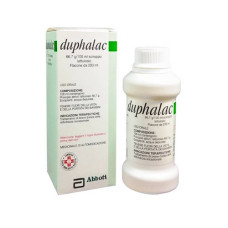
| Duphalac Solution buvable 100 ml | 74.33 € |
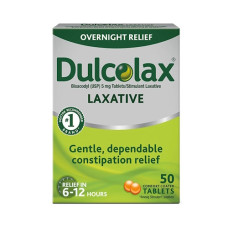
| Dulcolax 5 mg comprimés | 81.33 € |
| Herbolax 355 mg comprimés | 77.83 € |
| Bisacodyl | 0.00 € |
| Hydroxyde de magnésium | 0.00 € |
Questions fréquentes sur Médicaments contre la Constipation en 2026
-
Faut-il une ordonnance pour acheter Médicaments contre la Constipation en pharmacie ?
-
Quel est le prix de Médicaments contre la Constipation ?
-
Puis-je acheter Médicaments contre la Constipation dans votre pharmacie en ligne ?
-
Médicaments contre la Constipation est-il légal en France ?
-
Quelles sont les conditions de livraison ?
-
Quels moyens de paiement acceptez-vous ?
-
Les produits les plus populaires en pharmacie